

7 Digital Marketing Mistakes That Are Killing Your ROI

Your digital marketing campaigns aren’t delivering the results you expected, and you’re not alone. Many small business owners, marketing managers, and entrepreneurs are unknowingly making costly mistakes that drain their budgets and destroy their return on investment.
These 7 digital marketing mistakes are silently sabotaging your success, turning what should be profitable campaigns into money pits. From trying to reach everyone instead of focusing on your ideal customers to pulling the plug on campaigns before they have a chance to succeed, these errors are more common than you might think.
We’ll walk through the biggest ROI killers, including why targeting everyone actually reaches no one and how neglecting mobile optimization is costing you conversions. You’ll also discover which metrics actually matter for measuring success and why abandoning campaigns too early prevents you from finding what works.
Stop throwing money at marketing strategies that don’t work. Let’s fix these mistakes and get your campaigns back on track.
Now the question is,
Why Most Digital Marketing Campaigns Fail to Deliver ROI
Targeting Everyone Instead of Your Ideal Customer

Define your customer personas with precision
The biggest trap marketers fall into is trying to appeal to everyone. When you cast too wide a net, you end up catching nothing but wasted ad spend. Building detailed customer personas isn’t just a nice-to-have exercise – it’s the foundation of profitable digital marketing.
Start by diving deep into your existing customer data. Look at purchase patterns, support tickets, and user behavior analytics. What challenges do your best customers face? What language do they use when describing their problems? Create 2-3 detailed personas that represent your core customer segments, including their demographics, pain points, preferred communication channels, and buying triggers.
Don’t stop at basic demographics like age and location. The real gold lies in psychographic data: their values, motivations, and decision-making processes. A 35-year-old marketing manager in Chicago might behave completely differently from another 35-year-old marketing manager in the same city based on their company size, industry pressures, and personal career goals.
Research competitor audiences to find gaps
Your competitors have already done some of the heavy lifting. Smart marketers reverse-engineer competitor audience strategies to find untapped opportunities and avoid oversaturated segments.
Use tools like Facebook Audience Insights, SEMrush, or SpyFu to analyze where your competitors are spending their advertising dollars. Look at their social media engagement patterns – which posts get the most interaction? What type of content resonates with their audience?
Pay special attention to the gaps. Maybe your main competitor focuses heavily on enterprise clients but ignores small businesses. Or they target young professionals but miss the growing segment of experienced workers changing careers. These gaps represent goldmine opportunities where competition is lighter and acquisition costs are lower.
Use demographic and psychographic data effectively
Raw data means nothing without smart application. Demographic data tells you who your customers are, but psychographic data reveals why they buy. Combine both for laser-focused targeting that actually converts.
Demographics help you find your audience on the right platforms at the right times. Psychographics help you craft messages that resonate emotionally. A busy working parent (demographic) who values time-saving solutions (psychographic) needs different messaging than a budget-conscious student (demographic) who prioritizes value and peer approval (psychographic).
Layer your data strategically in your campaigns. Start with broad demographic filters, then narrow down using interest-based targeting, behavioral patterns, and lookalike audiences based on your best customers. Most platforms allow you to stack multiple targeting criteria – use this to your advantage.
Test narrow audience segments for higher conversion rates
Counterintuitively, smaller, more focused audiences often deliver better ROI than broad targeting. When you speak directly to a specific group’s needs, your message hits harder and converts better.
Start with micro-audiences of 1,000-5,000 people for testing. Yes, these seem tiny, but they’re perfect for validating your messaging and creative approach. If a campaign performs well with a narrow segment, you can expand gradually while maintaining performance.
Test different audience combinations systematically. Try geographic variations, age ranges, interest combinations, and behavioral triggers. Create separate campaigns for each persona rather than trying to reach everyone with one campaign. This approach lets you optimize budgets toward your highest-performing segments and pause underperforming ones quickly.
Track metrics beyond just click-through rates. Monitor cost per acquisition, customer lifetime value, and conversion quality for each audience segment. Sometimes a smaller audience with higher-quality leads beats a larger audience with cheaper but less qualified traffic.
Neglecting Mobile-First Campaign Optimization

Optimize Landing Pages for Mobile User Experience
Mobile users make up over 60% of all web traffic, yet countless businesses still deliver desktop-centered experiences that frustrate and lose potential customers. Your landing pages need to load in under three seconds on mobile devices, or you’ll watch your conversion rates plummet faster than your bounce rates climb.
Start with thumb-friendly navigation and buttons that are large enough to tap without zooming. Place your primary call-to-action buttons where thumbs naturally rest – typically in the center or lower portion of the screen. Remove unnecessary form fields that create friction on small keyboards, and implement autofill capabilities wherever possible.
Page loading speed becomes even more critical on mobile networks. Compress images aggressively, minimize code bloat, and consider using accelerated mobile pages (AMP) for content-heavy landing pages. Test your pages across different devices and connection speeds to ensure consistent performance.
Visual hierarchy matters more on smaller screens. Use larger fonts, increase white space between elements, and break up long blocks of text into scannable chunks. Your value proposition should be immediately visible without scrolling, and your forms should never require horizontal scrolling.
Create Mobile-Specific Ad Formats and Creatives
Generic ads that work on desktop often fall flat on mobile devices. Mobile users interact with content differently – they scroll with their thumbs, have shorter attention spans, and often browse while distracted or multitasking.
Design vertical video ads that fill mobile screens naturally. Square and vertical formats generate higher engagement rates than landscape videos on mobile platforms. Keep text overlay minimal and make sure your brand and message are clear within the first three seconds, as many users scroll past ads quickly.
Interactive ad formats like carousel ads, playable ads, and collection ads perform exceptionally well on mobile. These formats encourage engagement through tapping, swiping, and exploring, which feels natural on touchscreen devices. For e-commerce brands, catalog ads that showcase multiple products work particularly well on mobile Instagram and Facebook feeds.
Consider the mobile context when creating ad copy. Mobile users often search with different intent patterns – they might be looking for “near me” results, seeking quick solutions, or comparing prices while standing in a physical store. Your ad copy should speak to these immediate needs with action-oriented language.
Adjust Bidding Strategies for Mobile Traffic Patterns
Mobile users behave differently throughout the day compared to desktop users. They typically browse during commute times, lunch breaks, and evening relaxation periods. Your bidding strategy should reflect these patterns by increasing bids during peak mobile usage hours and adjusting for days when mobile traffic surges.
Set up device-specific bid adjustments in your campaigns. Mobile traffic often converts at different rates and values compared to desktop, so your bids should reflect the actual worth of mobile clicks to your business. If mobile users have a lower average order value but higher frequency of purchase, adjust your bidding strategy accordingly.
Location-based bidding becomes crucial for mobile campaigns. Mobile users frequently search for local businesses and services, so increase your bids for high-converting geographic areas during relevant time periods. A restaurant might bid higher for mobile traffic within a five-mile radius during lunch and dinner hours.
Monitor mobile conversion paths carefully. Mobile users often research on their phones but complete purchases on desktop devices later. This means mobile campaigns might appear to have lower direct conversion rates while actually driving significant assisted conversions. Use attribution modeling that accounts for cross-device behavior to avoid underbidding on valuable mobile traffic.
Failing to Track the Right Conversion Metrics

Set up proper attribution models across channels
Most marketers make the critical error of relying on last-click attribution, which gives 100% credit to the final touchpoint before conversion. This creates a distorted view of your marketing performance and leads to budget misallocation. Your Facebook ads might appear ineffective when they’re actually driving top-of-funnel awareness that leads to conversions through Google search weeks later.
First-touch attribution shows which channels introduce new customers to your brand, while linear attribution spreads credit evenly across all touchpoints. Time-decay attribution gives more weight to interactions closer to conversion. The sweet spot? Use data-driven attribution models that analyze your actual customer journey patterns and assign credit based on statistical analysis of conversion paths.
Google Analytics 4 and platforms like HubSpot offer sophisticated attribution modeling that reveals the true impact of each marketing channel. Set up custom attribution windows that match your typical sales cycle – B2B companies might need 90-day windows while e-commerce brands work with 7-30 days.
Monitor customer lifetime value over short-term gains
Chasing immediate conversions blinds you to long-term profitability. A customer who spends $50 on their first purchase but returns monthly for two years delivers far more value than someone making a one-time $200 purchase. Your marketing metrics should reflect this reality.
Calculate CLV by multiplying average purchase value by purchase frequency and customer lifespan. Track cohort retention rates to see how marketing channels perform over months and years, not just initial conversion rates. Email subscribers who convert slowly might actually be your most valuable segment.
Smart marketers optimize for CLV-to-CAC ratios rather than just conversion rates. A channel with 2% conversion rate but high-value, repeat customers beats a 5% conversion channel full of bargain hunters who never return. Track metrics like repeat purchase rate, average time between purchases, and customer retention by acquisition channel to make informed budget decisions.
Track micro-conversions that lead to major sales
Major purchases rarely happen on the first visit. Customers research, compare, and gradually build trust through smaller engagement actions. These micro-conversions – email signups, content downloads, video views, product page visits – create a pathway to eventual sales.
Set up conversion tracking for actions like newsletter subscriptions, catalog downloads, demo requests, and free trial signups. Each represents a step closer to purchase and helps identify which content and campaigns move prospects through your funnel most effectively. A blog post that generates few direct sales might excel at driving email signups that convert later.
Create conversion value assignments for each micro-conversion based on their likelihood to lead to sales. If 20% of whitepaper downloads convert to customers within 90 days, assign appropriate value to track this progression. This reveals the true impact of top-of-funnel content and awareness campaigns that traditional conversion tracking misses.
Implement cross-device tracking for accurate reporting
Your customers switch between phones, tablets, and computers throughout their buying journey. Without cross-device tracking, you’re seeing fragments of customer behavior rather than complete conversion paths. Someone might discover your brand on mobile during their commute, research on their work computer, and purchase on their home tablet – appearing as three separate users in your analytics.
Google Analytics 4 automatically attempts cross-device tracking for signed-in users, but you need additional tools for comprehensive coverage. Customer data platforms like Segment or first-party data collection through account creation and email capture create more accurate user profiles.
The impact on ROI calculations is massive. Mobile campaigns might appear to have terrible conversion rates when mobile users actually research and convert on desktop later. Set up enhanced e-commerce tracking with user ID implementation to connect device sessions and reveal true customer journeys. This clarity transforms budget allocation decisions and campaign optimization strategies.
Ignoring A/B Testing for Campaign Elements
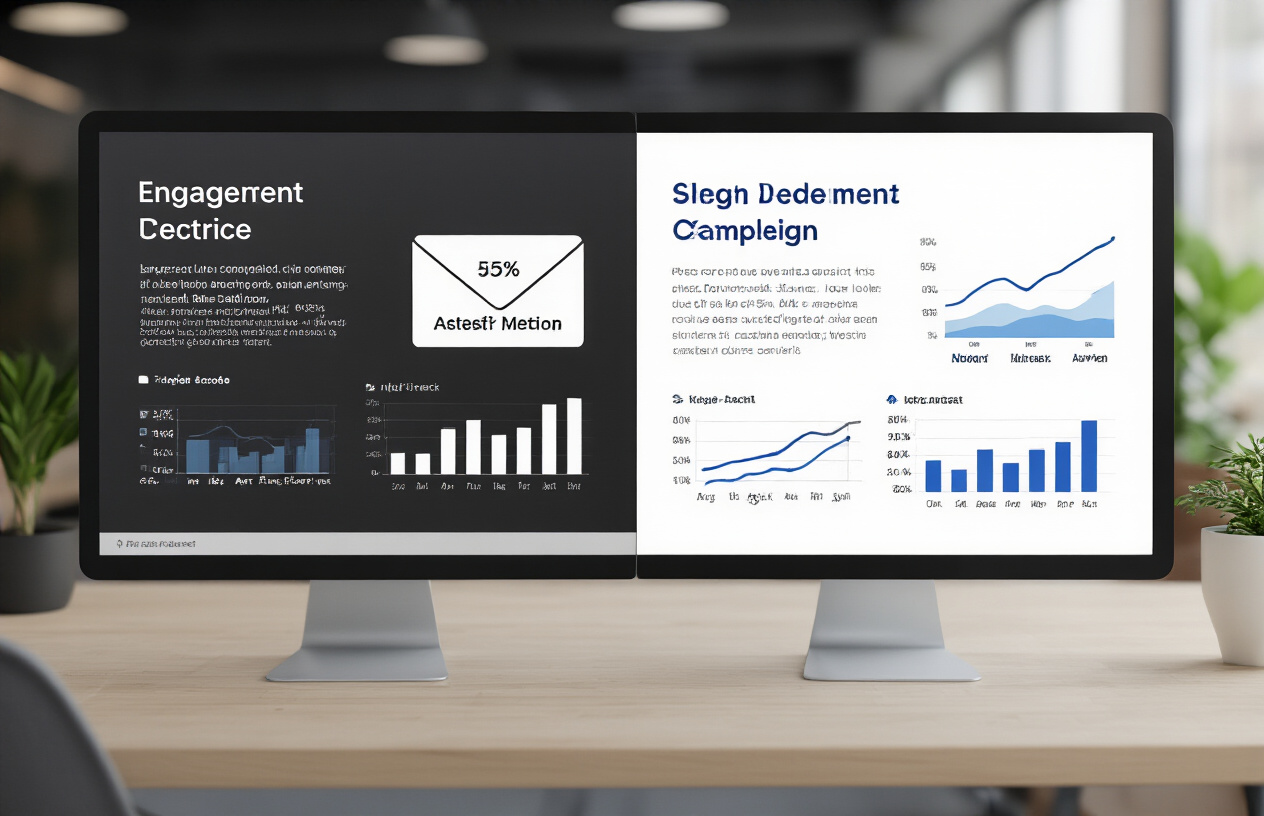
Test Headlines and Ad Copy Variations Systematically
Running the same ad copy for months without testing different versions is like gambling with your marketing budget. Your headlines could be costing you thousands of conversions simply because you never tried a different approach.
Set up split tests where half your audience sees one headline while the other half sees a variation. Focus on testing one element at a time – maybe swap out your main benefit statement or try a question instead of a declarative headline. Track which version drives more clicks, leads, and actual sales, not just engagement metrics that look pretty in reports.
The magic happens when you test consistently. Create at least three headline variations for every campaign and rotate them weekly. Pay attention to patterns – do urgency-driven headlines work better than benefit-focused ones for your audience? Does asking questions boost engagement more than making bold statements? Your data will reveal these insights, but only if you’re actually collecting it.
Experiment with Different Call-to-Action Buttons
That little button on your ad or landing page carries enormous weight in your conversion rates. The difference between “Buy Now” and “Get Started Today” might seem trivial, but it can mean the difference between a 2% and 5% conversion rate.
Test button colors, text, size, and placement systematically. Try action-oriented phrases like “Claim Your Discount” against softer approaches like “Learn More.” Some audiences respond better to urgency (“Limited Time Offer”), while others prefer curiosity-driven CTAs (“See What’s Inside”).
Don’t forget to test button placement and surrounding elements. Sometimes moving your CTA button above the fold or changing the text around it can double your click-through rates. Track everything – which buttons get clicked most often, and more importantly, which ones lead to actual purchases or qualified leads.
Compare Landing Page Layouts and Conversion Flows
Your landing page layout directly impacts whether visitors take action or bounce back to Google. Testing different layouts reveals what actually works for your specific audience, not what some marketing guru claims works universally.
Start by testing your conversion flow length. Maybe your three-step process is losing people, and a single-page approach would work better. Or perhaps breaking down a long form into multiple steps actually increases completions by making the process feel less overwhelming.
Test where you place testimonials, how much text versus images you use, and whether video explanations help or hurt conversions. Some products need detailed explanations, while others convert better with minimal text and strong visuals. Create at least two completely different layout approaches and split your traffic between them.
Track user behavior through heatmaps and conversion funnels to see exactly where people drop off. This data shows you which elements help move people toward conversion and which ones create friction in your sales process.
Wasting Budget on Irrelevant Keywords and Placements

Conduct thorough negative keyword research
Your ad campaigns can bleed money faster than a broken piggy bank when irrelevant searches trigger your ads. Negative keywords act as gatekeepers, preventing your ads from showing up for searches that won’t convert. Start by brainstorming terms that sound related to your business but attract the wrong crowd. If you sell premium watches, you don’t want clicks from people searching for “cheap watches” or “free watch repair.”
Dive into your search term reports to spot patterns of wasteful spending. Look for queries that generate clicks but zero conversions. Common culprits include searches with words like “free,” “cheap,” “DIY,” “jobs,” or competitor names when you’re not running competitive campaigns. Add these to your negative keyword lists at both campaign and ad group levels.
Don’t forget about broad match modifiers and phrase match variations that might trigger unwanted traffic. A single negative keyword can save hundreds of dollars monthly by filtering out irrelevant clicks.
Analyze search query reports for optimization opportunities
Search query reports are gold mines hiding in plain sight. Most marketers glance at them once and move on, missing opportunities to dramatically improve campaign performance. These reports show the actual terms people typed before clicking your ads, revealing gaps between your keyword strategy and real user behavior.
Schedule weekly deep dives into these reports. Sort by cost to identify your biggest spending queries, then cross-reference with conversion data. You’ll often find expensive keywords driving traffic that doesn’t convert. Flag these for negative keyword addition or bid adjustments.
Look for high-converting queries that aren’t in your keyword lists yet. These organic discoveries often become your best-performing keywords because they represent real user language, not marketing assumptions. Add them as exact match keywords with competitive bids.
Pay attention to long-tail variations that convert well. These specific queries often have higher intent and lower competition, making them perfect for budget-conscious campaigns.
Eliminate low-performing ad placements and websites
The Google Display Network and other programmatic platforms can show your ads on millions of websites, but not all placements are created equal. Some sites drain your budget with clicks that never convert, while others become conversion powerhouses. The key is identifying which is which.
Check your placement reports regularly to see where your ads appear. Look for websites with high click-through rates but zero conversions – these are click farms or sites with accidental clicks. Block them immediately through placement exclusions.
Watch out for mobile apps that generate suspicious traffic patterns, like unusually high click volumes at odd hours. Gaming apps and utility apps often produce accidental clicks that waste budget without generating real interest.
Create whitelists of proven placements that consistently drive conversions. This approach gives you more control over where your ads appear and helps concentrate budget on sites where your audience actually engages meaningfully with your content.
Focus budget on high-intent keywords that convert
Not all keywords are born equal. Some whisper interest, while others scream “I’m ready to buy right now!” Smart marketers channel more budget toward these high-intent keywords that drive actual business results.
Commercial intent keywords like “buy,” “purchase,” “hire,” “order,” and “get quote” typically convert better than informational searches. Someone searching “best running shoes to buy online” shows more purchase intent than someone looking up “how to tie running shoes.”
Brand-specific searches deserve premium treatment. When someone searches for your company name plus “pricing” or “reviews,” they’re practically knocking on your door. Allocate higher bids for these valuable queries.
Long-tail keywords often signal higher intent because they’re more specific. “Waterproof hiking boots size 10 men’s” shows clearer purchase intent than just “boots.” These longer phrases usually cost less per click but convert at higher rates.
Use geographic targeting to eliminate wasteful spending
Your product might be amazing, but if you can’t serve customers in certain areas, why pay for their clicks? Geographic targeting helps focus your budget on locations where you can actually fulfill orders or provide services.
Start by analyzing your conversion data by location. You might discover that certain cities or states consistently generate more sales while others drain budget with little return. Adjust bids accordingly – boost spending in high-performing areas and reduce or eliminate spend in low-converting regions.
Consider practical limitations like shipping costs, service areas, or local regulations. If you’re a local service business, clicks from across the country are pure waste. If you’re an e-commerce store with expensive shipping to remote areas, factor that into your targeting decisions.
Use radius targeting around your physical locations for local businesses. Experiment with different radius sizes to find the sweet spot where you capture interested local customers without casting too wide a net. Sometimes a 10-mile radius converts better than 25 miles, even though the larger radius brings more traffic.
Creating Generic Content That Doesn’t Convert

Develop content that addresses specific pain points
Your audience doesn’t want to hear about your company’s 50-year history or how “innovative” your solutions are. They want answers to their burning problems at 3 AM when they can’t sleep because of business challenges.
Start by digging deep into customer research. Look through support tickets, read negative reviews of competitors, and actually talk to your sales team about the objections they hear daily. This goldmine of real problems becomes your content foundation.
Create content that makes readers think, “This person gets exactly what I’m going through.” Instead of writing “Our software improves efficiency,” try “Tired of spending two hours every morning just figuring out which leads to call first?” The second approach hits a specific pain point that resonates immediately.
Map your content to different stages of the customer journey. Someone just discovering they have a problem needs educational content that validates their concerns. Someone ready to buy needs comparison guides and case studies showing real results.
Use customer language and terminology in messaging
Stop translating everything into corporate speak. Your customers don’t say “leverage synergies” – they say “work together better.” They don’t “optimize performance” – they “get things done faster.”
Mine your customer service conversations, sales call recordings, and social media comments for the exact words people use. If your customers call something a “headache,” don’t upgrade it to “operational challenge” in your marketing.
Industry jargon creates barriers, not connections. A small business owner doesn’t care about “omnichannel customer experience optimization.” They care about “keeping customers happy without going crazy managing different platforms.”
Test your messaging with real customers before launching campaigns. Ask them to read your ad copy or landing page and explain what you’re selling in their own words. If they struggle or use completely different language, you’ve found your disconnect.
Create urgency and scarcity in your offers
Generic “Contact us today!” calls-to-action convert poorly because they create no pressure to act now versus next month. Smart marketers build legitimate reasons for immediate action.
Time-sensitive bonuses work better than discounts. Instead of “20% off,” try “Free setup worth $500 – but only for the first 50 customers this month.” This creates both scarcity (limited quantity) and urgency (time limit).
Use countdown timers on landing pages, but only when they’re real. Fake scarcity backfires when discovered. If you’re running a legitimate promotion with an end date, make that deadline visible and stick to it.
Limited availability works when it’s genuine. “Only 3 spots left in this month’s training cohort” converts better than open enrollment because it forces a decision. People naturally want what’s harder to get.
Social proof amplifies urgency. Show how many people signed up today or how many spots remain. “47 people joined in the last 24 hours” or “Only 8 seats remaining” taps into fear of missing out while others take action.
Abandoning Campaigns Too Early Before Optimization

Allow sufficient data collection time before making changes
Most marketers panic when they don’t see immediate results and start tweaking campaigns after just a few days. This knee-jerk reaction actually sabotages your efforts before algorithms have enough data to optimize properly. Facebook’s algorithm typically needs 7-14 days to learn and stabilize, while Google Ads requires at least 30 clicks or 30 days to gather meaningful insights.
The real magic happens when you resist the urge to fidget. Statistical significance requires adequate sample sizes – making decisions on 50 clicks or impressions gives you about as much insight as judging a restaurant from one bite. Smart marketers wait until they have at least 100-200 conversions per variation before drawing conclusions.
Implement systematic optimization schedules
Random campaign tweaks destroy momentum and muddy your data. Create a structured optimization calendar that spaces out changes strategically. Review performance weekly, but limit major adjustments to bi-weekly or monthly intervals.
Your optimization schedule should follow this hierarchy:
Week 1-2: Monitor and collect baseline data
Week 3: Analyze audience performance and pause underperforming segments
Week 4: Test ad creative variations
Week 5-6: Optimize bidding strategies and budgets
Week 7-8: Refine targeting parameters
This systematic approach prevents you from changing multiple variables simultaneously, which makes it impossible to identify what’s actually driving improvements.
Document performance trends over extended periods
Screenshots of dashboard metrics won’t cut it. Create detailed performance logs that track key metrics across different time frames – daily, weekly, and monthly views reveal different patterns. What looks like a failing campaign on Tuesday might show strong weekend performance when viewed over four weeks.
Track these essential trend indicators:
| Metric | Daily Track | Weekly Analysis | Monthly Review |
|---|---|---|---|
| Cost per conversion | ✓ | ✓ | ✓ |
| Conversion rate | ✓ | ✓ | ✓ |
| Click-through rate | ✓ | ✓ | ✓ |
| Quality Score | ✓ | ✓ | |
| Lifetime value | ✓ |
Seasonal fluctuations, competitor activities, and market changes all impact performance differently across various timeframes. Your documentation should capture these nuances rather than just recording surface-level numbers.
Scale successful elements gradually for sustained growth
When you finally identify winning elements, the temptation to dramatically increase budgets overnight is massive. This approach backfires because sudden budget jumps force algorithms to re-learn audience patterns and often increase costs while decreasing performance quality.
Scale successful campaigns using the 20% rule – increase budgets by no more than 20% every 3-5 days. If your winning ad set has a $50 daily budget converting at $15 per acquisition, bump it to $60, then $72, then $86. This gradual scaling maintains algorithm stability while expanding reach.
Test scaling across multiple dimensions:
Budget increases: Gradual daily spend growth
Audience expansion: Lookalike percentage increases or interest broadening
Geographic scaling: Add similar regions or demographics
Creative multiplication: Develop variations of winning ads
Monitor performance closely during scaling phases. If cost per conversion increases by more than 25% after a budget increase, dial back and let the system restabilize before trying again. Patient scaling builds sustainable growth rather than temporary spikes followed by performance crashes.

Your marketing budget deserves better than these seven profit-killing mistakes. When you focus on a specific audience, optimize for mobile users, track meaningful metrics, and test your campaigns regularly, you’ll see your ROI climb. Stop throwing money at generic content and irrelevant keywords that don’t bring real customers to your door.
Give your campaigns time to breathe and optimize before pulling the plug. The difference between a winning campaign and a money pit often comes down to patience and smart testing. Start fixing one mistake at a time, and watch your marketing dollars work harder for your business.